Toy Whirligig Embroidery Design Review
As a designer and embroidery product reviewer, I often evaluate machine embroidery designs based on their practicality, visual appeal, and real-world usability. The Toy Whirligig is a vibrant, multi-colored design that promises to add a playful touch to baby items, apparel, and home décor. But how does it perform when stitched onto actual fabric? Let’s dive into the details.
The First Impression: A Playful and Colorful Design
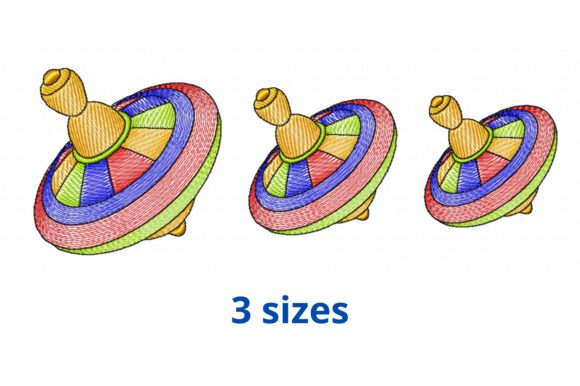
The Toy Whirligig immediately catches the eye with its bright, multi-colored palette and whimsical shape. It feels like a classic children's toy reimagined as an embroidery design, making it ideal for baby clothes, bibs, and crib décor. The layout is clean and balanced, with a mix of applique and satin stitch elements that give it a 3D effect without being overly complicated.
The design has a soft, friendly vibe—perfect for handmade products aimed at parents looking for personalized gifts or boutique items. It doesn’t feel too busy, which is a big plus for embroidery projects that need to maintain clarity and readability.
Real-World Use Cases: Where Toy Whirligig Shines
Toy Whirligig works well in a variety of embroidery projects. For example, if you're creating a custom embroidered tote bag or sweatshirt, this design adds a fun, eye-catching element that stands out without overwhelming the garment. It also fits nicely on baby onesies, blankets, and aprons, where the playful aesthetic is appropriate.
For small business owners and Etsy sellers, the Toy Whirligig could be a great addition to a collection of baby-themed embroidery files. Its versatility means it can be used across different product types, from patches to pillow covers, giving you more options for your craft business.
When used on light-colored fabrics, the design really pops, but it still holds up on darker backgrounds with proper thread color selection. This makes it a flexible choice for both personal and commercial use.
Challenges and Considerations: When to Be Cautious
While the Toy Whirligig is visually appealing, there are some situations where it might not perform as well. If you're working with small hoop sizes, you may find that the design requires multiple hooping steps, which can be time-consuming and increase the risk of misalignment.
On textured or stretchy fabrics, the design might not sit as smoothly as expected. Thin or delicate materials could also pose a challenge, especially if the stitch density is high. In such cases, using the right stabilizer is crucial to prevent puckering or distortion.
For curved surfaces like caps or hoods, the design may need slight adjustments to ensure it lies flat and looks natural. Tiny details, such as lettering or intricate corners, should be tested on scrap fabric before committing to a final project.
Impact on Visual Appeal and Customer Perception
When stitched properly, the Toy Whirligig enhances the visual appeal of any project it’s used on. It adds a sense of personality and creativity, which is essential for handmade products and personalized gifts. Customers often appreciate the attention to detail and the uniqueness of embroidered designs, which can help build trust and encourage repeat purchases.
From a branding perspective, using a consistent and recognizable design like Toy Whirligig can strengthen your identity as a creator. It also makes your products more giftable, as the design is both cute and functional.
Practical Tips for Embroidery Designers
If you’re planning to use the Toy Whirligig in your next project, here are a few key tips:
- Test on scrap fabric first. This will help you understand how the design looks and behaves on different materials.
- Check thread color contrast. Ensure the colors work well together and stand out against the fabric background.
- Review stitch density. High-density areas may require additional stabilizer or careful placement to avoid puckering.
- Confirm hoop size. Make sure your hoop is large enough to accommodate the design without cutting it off.
- Inspect small details. Pay close attention to corners, edges, and any fine lines to ensure they come out sharp.
- Test in black and white mockups. This helps identify potential issues with visibility and clarity.
- Compare light and dark fabric backgrounds. Some colors may look different depending on the fabric tone.
- Use proper stabilizer. This is essential for maintaining the quality of the embroidery, especially on tricky fabrics.
- Check licensing terms. Confirm whether the design is suitable for commercial use and if there are any restrictions on selling finished products or digital files.
Final Thoughts: A Versatile and Playful Design
The Toy Whirligig is a versatile machine embroidery design that brings a cheerful, child-friendly vibe to a wide range of projects. Whether you're creating custom apparel, baby items, or small shop merchandise, this design offers a unique and engaging visual element that can enhance your creative offerings.
With proper testing and consideration, the Toy Whirligig can become a valuable addition to your embroidery file library. Just remember to tailor its use to the specific needs of each project and always prioritize quality and clarity in your finished product.